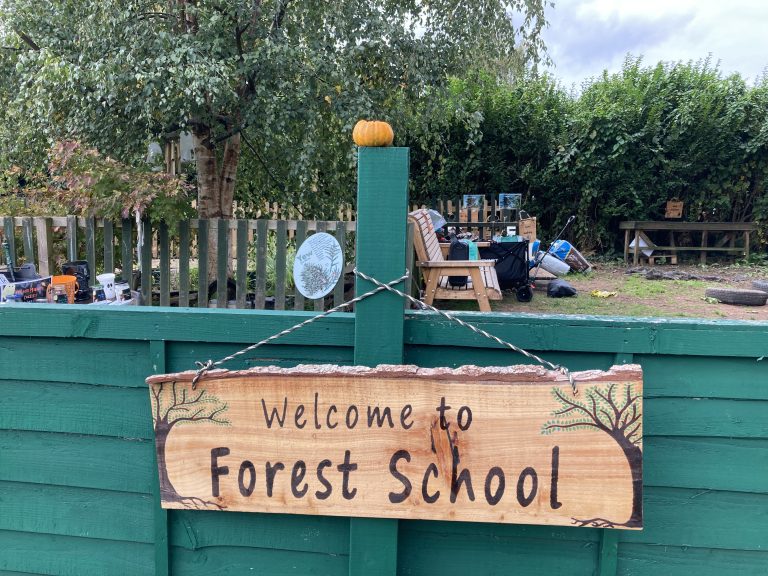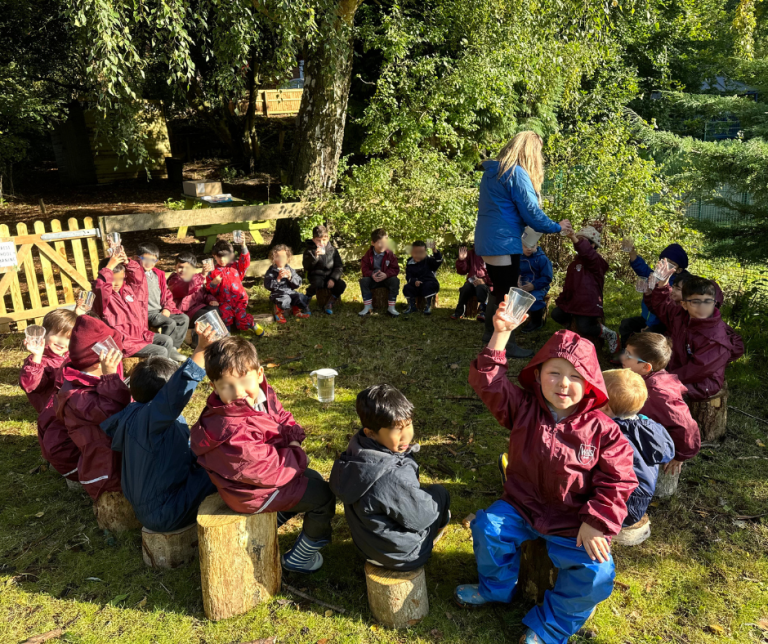
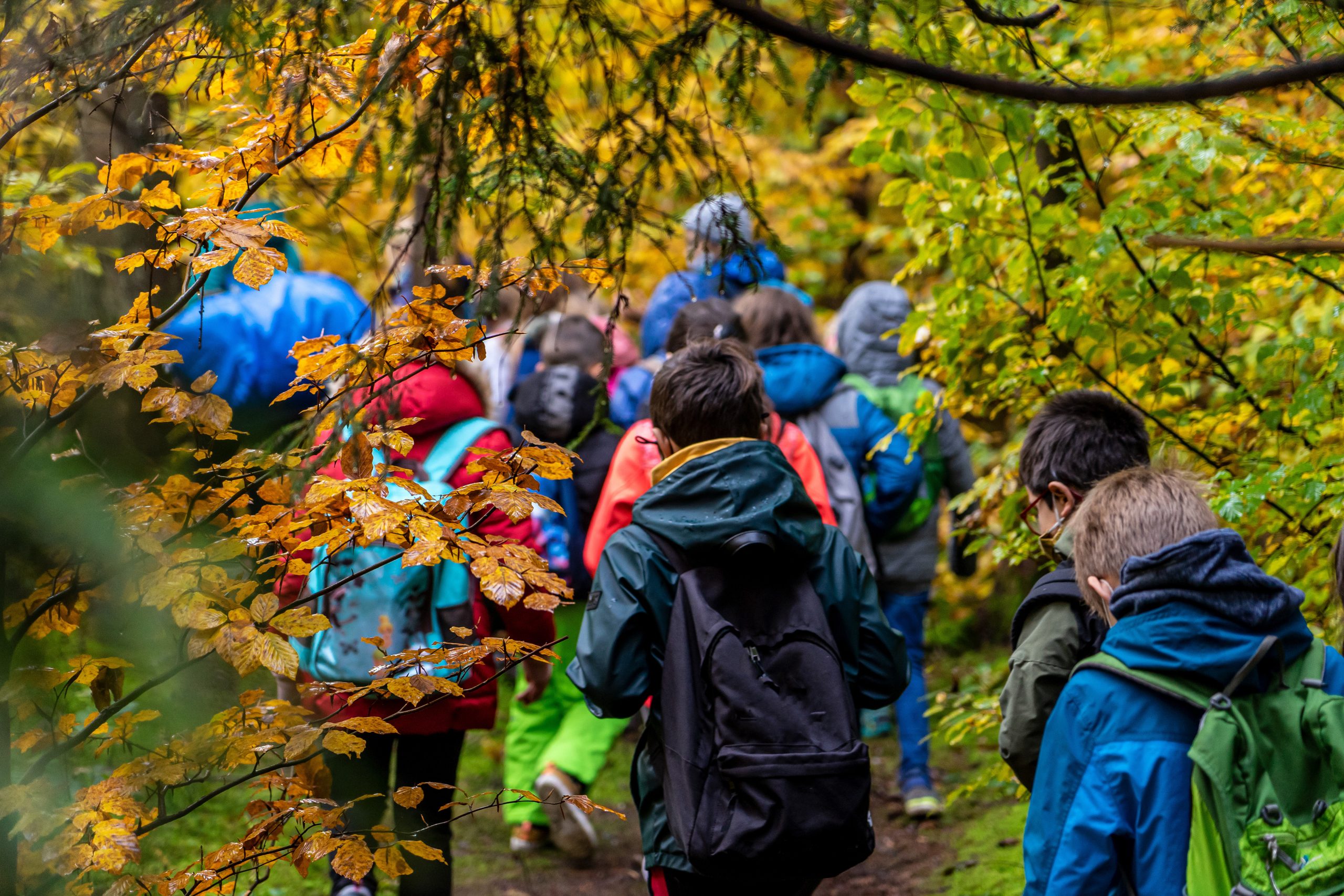

Our ethos, at Forest School, is to build a Child- Led Programme of outdoor education which facilitates the holistic development of the learner through play, risk-taking and developing a connection and love of nature. Forest School is a child- centred process and is governed by six core principles. Like many child- centred approaches, it is the interplay between the core principles that makes it work, and it is only when the six principles are found together that we see the subtle and complex progression that Forest School is designed to deliver. Forest School works to support self-esteem, confidence, communication, attitudes to learning, emotional development, awe and wonder and so much more!
SPICES principles
Our Forest School provision, at West House, is guided by the SPICES principles, ensuring a holistic approach that supports every aspect of a child’s development.
S – Social Development
Forest School encourages collaboration, communication, and positive relationships. Working together on shared challenges—such as building shelters, creating nature art, or solving problems—helps children develop teamwork skills, empathy, and respect for one another.
P – Physical Development
Being outdoors allows children to move freely and develop a wide range of gross and fine motor skills. Climbing, balancing, tool use, and exploring uneven terrain support strength, coordination, and overall physical health while helping children understand how to manage risks safely.
I – Intellectual Development
Curiosity drives learning at Forest School. Children investigate the natural world, ask questions, and take part in hands‑on activities that promote critical thinking and problem‑solving. From observing seasonal changes to experimenting with natural materials, children develop a rich understanding of their environment.
C – Creative Development
Nature provides endless opportunities for imaginative play and creativity. Children use sticks, leaves, mud, and other natural resources to design and build, invent games, tell stories, and express themselves artistically. Forest School nurtures originality and inspires children to think creatively.
E – Emotional Development
Forest School is a calm and supportive space where children can explore their feelings and build emotional resilience. Achieving personal goals, taking healthy risks, and experiencing success in nature all contribute to increased confidence, self‑esteem, and well-being.
S – Spiritual Development
Time spent in nature encourages children to develop a sense of wonder, appreciation, and belonging. Forest School helps children reflect on their place in the world, notice beauty in the natural environment, and cultivate mindfulness and gratitude.
The Six Core Principles of Forest School

Forest School is a long-term, regular process rather than a one-off session. It supports play, exploration, and supported risk-taking over time, allowing learners to build confidence and resilience.
It takes place in a natural environment (ideally woodland or forest) to foster a connection with nature and promote holistic development.
Forest School aims to develop the whole person—emotionally, socially, physically, spiritually, and intellectually—rather than focusing solely on academic outcomes.
Learners are encouraged to take appropriate risks, helping them develop confidence, independence, and problem-solving skills in a safe and supported way.
Activities are child-led and play-based, allowing learners to follow their own interests and develop at their own pace.
Forest School is led by qualified practitioners who continuously reflect on and develop their practice to ensure a safe, inclusive, and enriching experience.
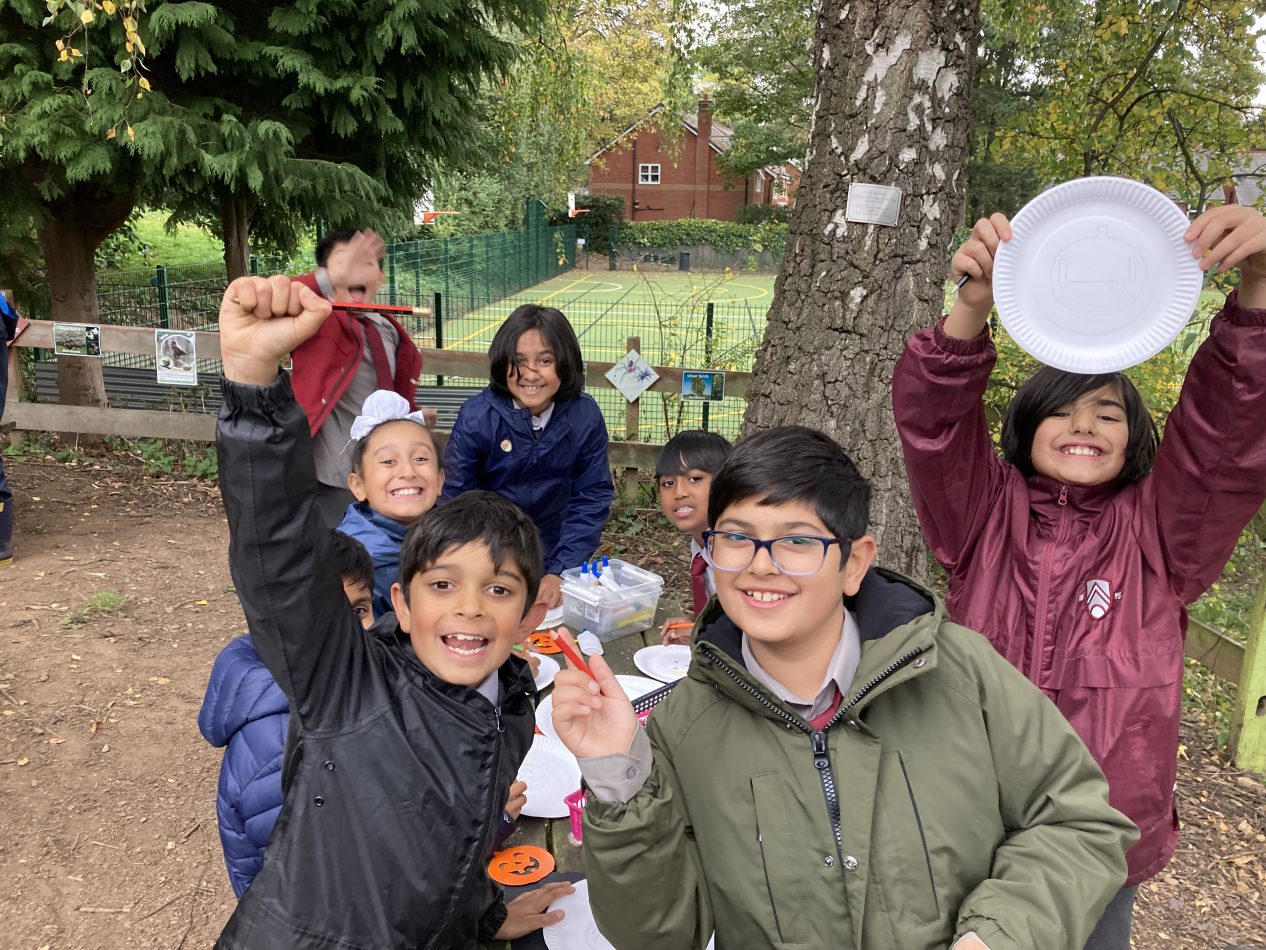
At West House, our Forest School is led by passionate and dedicated Level 3 Forest School Leaders, who create purposeful, creative, interactive and fun lessons to help all children develop a genuine love of nature. Forest School is cross- curricular and can be adapted to all lessons, hence why, not all classrooms have four walls, and we believe there is something truly special about Forest School. Why not join us on our journey through nature’s classroom?